About MHEP
A partnership for the health of hill country women
MHEP brings together the provincial health authorities, estate trade unions, Community Development Forum (CDF) women delegates and participating plantation companies, formed by a memorandum of understanding.
Who we are
MHEP will be the lead applicant and coordinator for Kushalam, with a small team based in Hatton, Nuwara Eliya District. It is led by Project Director Dr Anjali Perera.
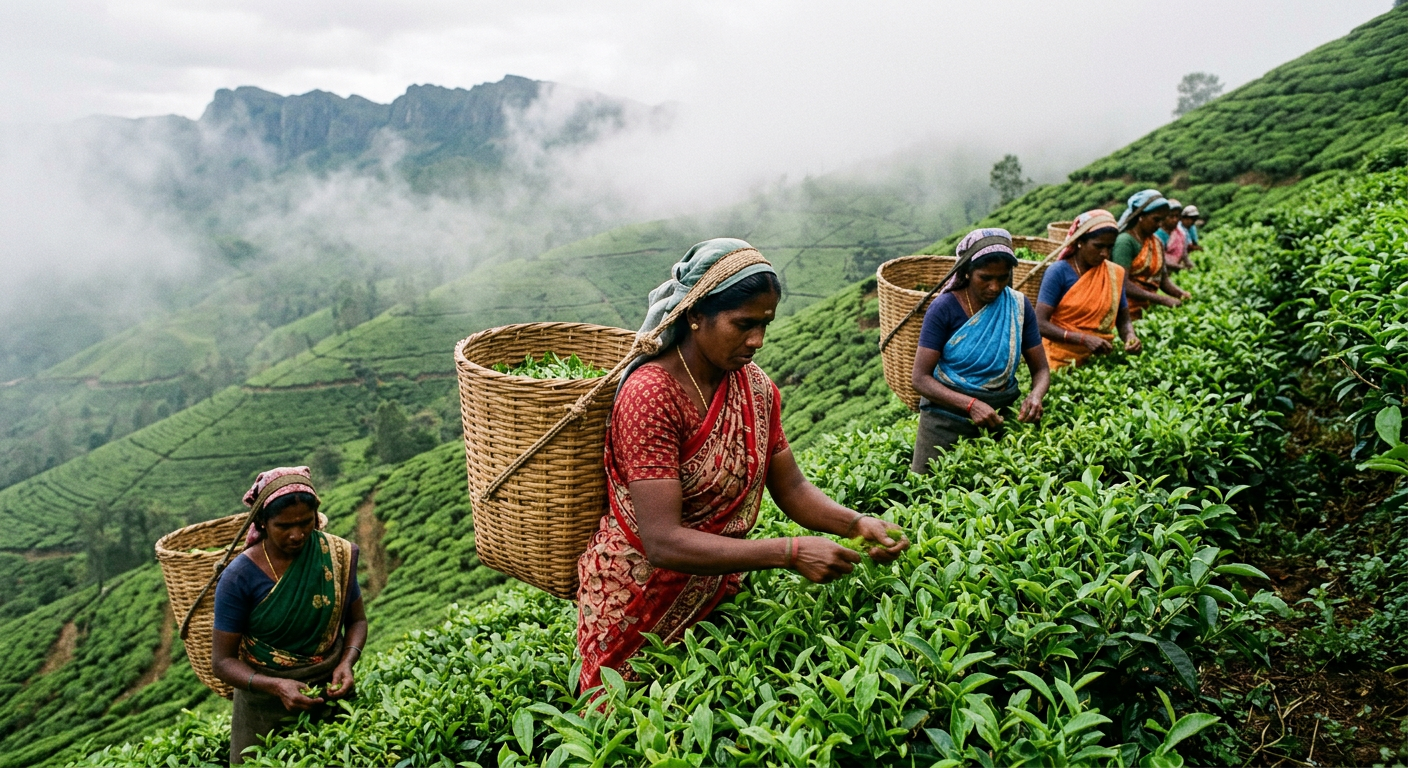
Our name
Malaiyaha means “hill country”. Most people living on Nuwara Eliya's tea estates are Malaiyaha (Hill Country) Tamils, descendants of labourers brought from South India during the colonial era. Many were stateless until 2003, and they remain among the most marginalised communities in Sri Lanka (Verité Research, 2024). The name says whose health we work for.
What we believe
Estate women have a right to the same cervical cancer prevention as every other woman in Sri Lanka. Sri Lanka has committed to WHO's 90-70-90 targets for eliminating cervical cancer. Estate women are furthest from these targets, so they are where we start.
- 90%
- of girls vaccinated against HPV by age 15
- 70%
- of women screened with a high-performance test by 35 and 45
- 90%
- of women with precancer or cancer treated
How we work
- Inside the health system. We build no new clinics, workforce or database. Ministry of Health teams deliver the service from day one, and MHEP coordinates and fills gaps.
- Health kept apart from employment. Estates host the screening booth and release work time, but results never pass through estate management.
- Local ownership. The RDHS, unions, CDF women delegates and a plantation company representative govern the work together through the Partnership Board.
- Tamil first. Information sessions and materials are in Tamil, with Sinhala and English as secondary languages.
- Evidence and accountability. Every expansion step depends on meeting agreed quality checks, and an independent team evaluates the results.
Our team
| Role | Time | Main responsibilities |
|---|---|---|
| Project Lead | Full time | Government authorisation, partnerships, company engagement, reporting to funders |
| Monitoring, evaluation and data officer | Full time | Monitoring data, quarterly reports, data quality checks |
| Community liaison officers (2) | Full time each, May 2027 – Dec 2028 | Mobilising women, consent support, exit surveys; recruited from estate communities through the CDFs |
| Finance and administration officer | Half time | Finance, procurement, audit |
The assignment team
Thanuja (TJ)
Local context and feasibility
Brought Sri Lankan context and local insight to the project’s design and feasibility. Worked with the group on planning and the budget.
- Sri Lankan context
- Feasibility
- Budget
Sally
Evidence review
Reviewed HPV screening evidence and provided supplemental evidence. Participated in collaborative project planning.
- HPV evidence
- Planning
Christine Yen
Lead writer and integration
Background in sustainability and TCM
Participated in collaborative project planning and led the drafting, synthesis, substantive editing, visualisation and final integration of the proposal.
- Drafting
- Synthesis
- Editing
- Visualisation