Flagship project
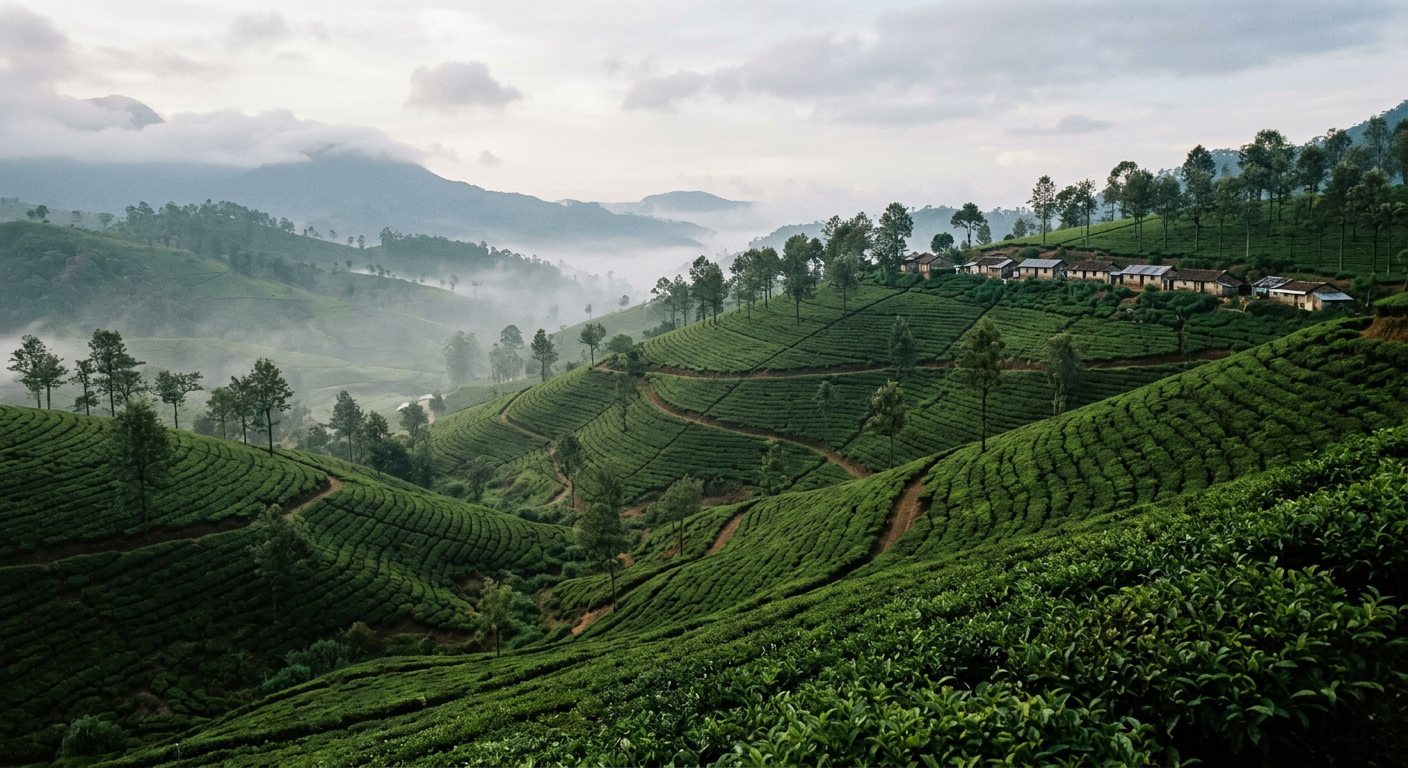
Kushalam: HPV Track Nuwara Eliya
A 24-month pilot bringing private HPV self-testing to 20 tea estates, with follow-up care for every woman who needs it.
Why “Kushalam”?
The problem we are solving
Cervical cancer is the fourth most common cancer in women worldwide, and the only cancer that can be eliminated (Wu et al., 2025). In Sri Lanka there are about 1,735 new cases and 1,072 deaths each year (IARC, 2026). Nuwara Eliya has the highest recorded incidence of any district, at 14 per 100,000 (FPA, 2024).
Estate women are the least screened group in the country. Only 9% of ever-married estate women have ever had a Pap test, compared with 22% of rural women, and only 32% have heard of Well Woman Clinics (FHB & UNFPA, 2019).
What Kushalam will do
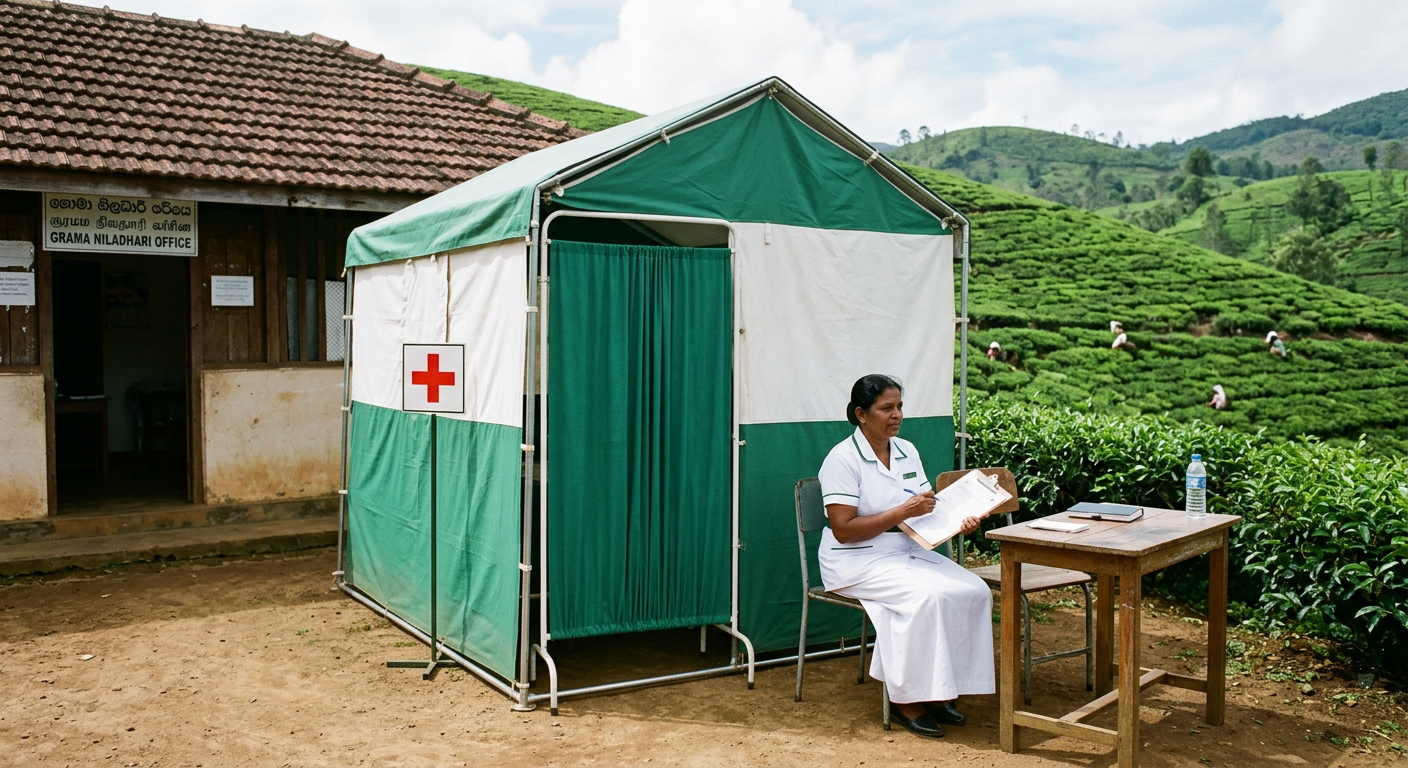
Kushalam moves sample collection to the estate and keeps every other step inside government services. Women collect their own sample in a private booth, using a soft swab. HPV testing finds more precancer than the Pap smear, and a self-collected sample is as accurate as one taken by a clinician (Arbyn et al., 2018; Mapitigama et al., 2023).
- Where: 20 tea estates in the Ambagamuwa and Kotagala MOH areas around Hatton, with 6 reserve estates
- Who: about 6,800 estate women aged 35–55 with no screening recorded in the last five years
- Delivered by: the 24 government Public Health Midwives who already serve these estates, with their 6 supervisors
How it works: three contacts
- 1
Information and consent
Four sessions per estate at gatherings that already happen, such as CDF meetings and pay-day assemblies. The MOH medical officer and PHM explain the test in Tamil with pictures.
- 2
Private self-collection
A privacy booth on the estate during a 90-minute window agreed with the company. Each woman is away for about 15 minutes and loses no pay.
- 3
Results and follow-up
The same PHM gives every woman her result in person at the Well Woman Clinic. The project pays travel and half a day's wage. Women who need further checks are guided until care is complete.
Why ages 35 to 55?
Sri Lanka screens only at 35 and 45, so women who missed those visits are the least likely to have been screened. Starting at 35 matches the national programme and avoids over-referring younger women, whose HPV infections usually clear on their own (WHO, 2021). Age 55 marks the end of active plantation work. This is a one-off catch-up, not a new national screening age.
Infographic
One woman's journey, from invitation to care
Step 1
Learn
Short Tamil session at an existing estate meeting
≥85% consent
Step 2
Self-collect
Private booth on the estate, in work time
~15 minutes
Step 3
Lab test
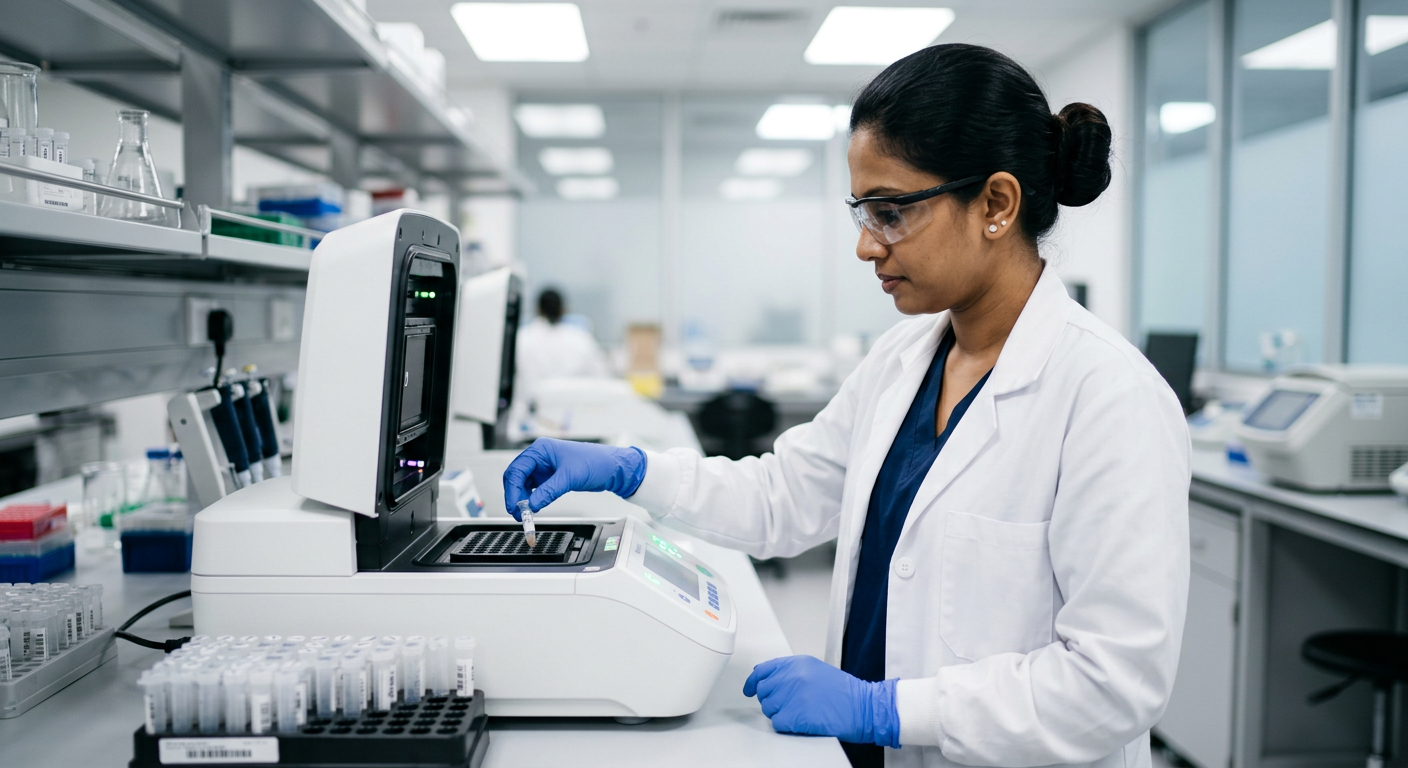
HPV DNA test with genotyping for types 16 and 18
≤28 days turnaround
Step 4
Result in person
Every woman is called back, positive or negative
95% within 30 days
Step 5
Follow-up
Triage or colposcopy at DGH Nuwara Eliya if HPV-positive
90% linked in 3 months
Step 6
Treatment
Midwife stays with her; travel and wages paid
90% of CIN2+ treated
Phased rollout across 20 estates
Each tile is one tea estate (about 340 eligible women each).
- June 2027
Wave 1 starts · 4 of 20 estates
- Aug 2027
After Gate 1 · 8 of 20 estates
- Nov 2027
After Gate 2 · 12 of 20 estates
- Feb 2028
After Gate 3 · 20 of 20 estates
- The project only expands when consent, sample quality, turnaround and privacy measures are met at each gate.
Key dates
| When | Milestone |
|---|---|
| Jan – Mar 2027 | Ministry of Health authorisation and ethics approval |
| By May 2027 | Company agreements and estate MOUs signed in all 20 estates |
| June 2027 | First collection wave starts (4 estates) |
| Aug 2027 · Nov 2027 · Feb 2028 | Decision gates before each expansion (to 8, 12, then 20 estates) |
| June 2028 | Sample collection closes |
| October 2028 | Follow-up closes; project team steps back and MOH teams continue |
| Nov – Dec 2028 | Independent evaluation, handover and final report |