Skip to content

Proposed pilot only: not funded and not running. Everything described here is planned for 2027–2028 in a simulated proposal. Learn more

Kushalam by MHEP

For women and families

A simple test that can protect your health

Private. On your estate. No loss of pay.

What is cervical cancer?

The cervix is the opening of the womb. Cervical cancer grows there slowly, often over 10 years or more. In the early stages there are usually no signs. A test can find changes early, before they become cancer, when they are easy to treat.
What is HPV?

HPV is a very common virus. Most women have it at some time, and most of the time the body clears it. Some types can stay for many years, and these cause almost all cervical cancer (WHO, n.d.). Having HPV is common and is nothing to be ashamed of.

What is the Kushalam test?

The test checks for the types of HPV that can cause cervical cancer. You collect the sample yourself, in private, with a soft swab. There is no examination by a doctor. A sample you collect yourself is as good as one a doctor takes (Arbyn et al., 2018).

Who can take part?

Women aged 35 to 55 who live on one of the 20 Kushalam estates and have not had a cervical screening test in the last five years. Your Public Health Midwife (PHM) will check this with you.

How it works

  1. 1

    Learn about the test

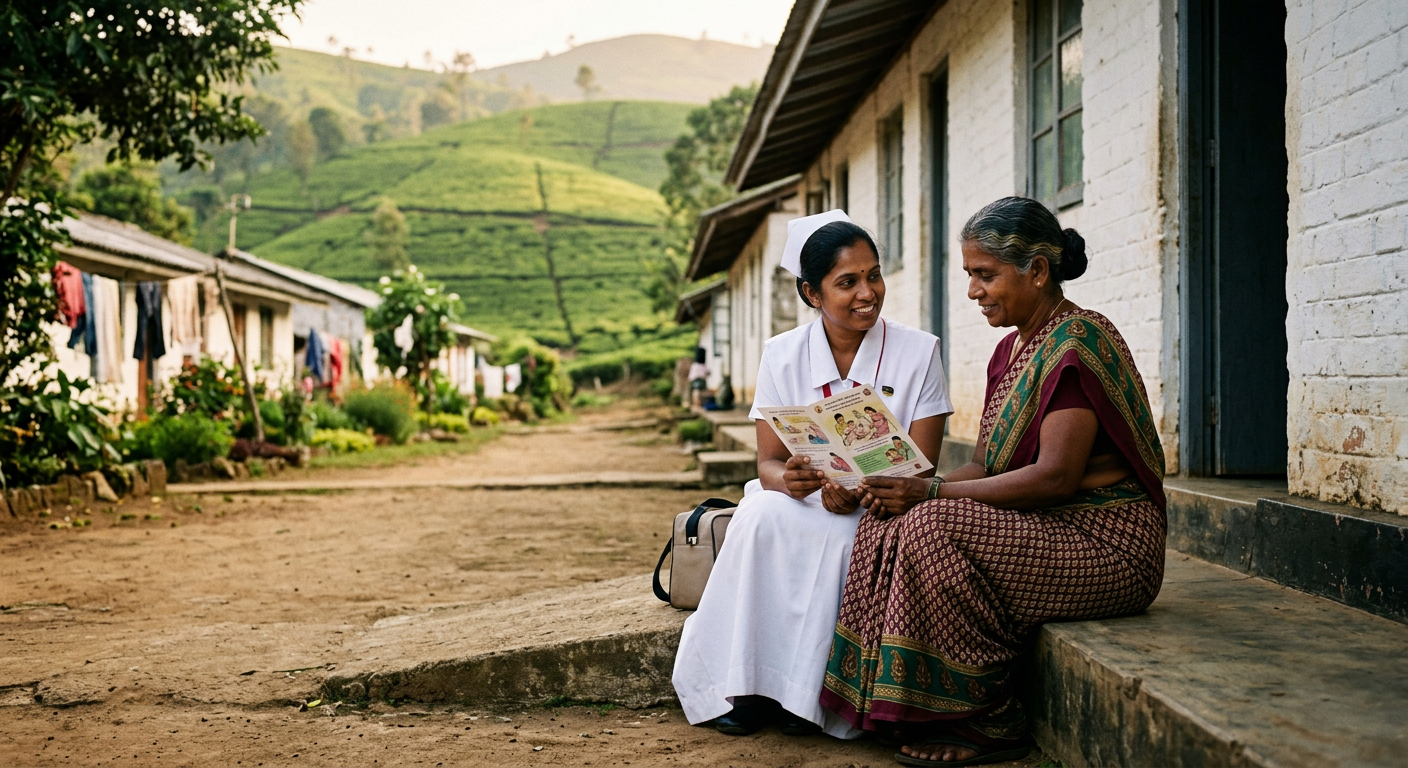
    Come to a short session at a meeting you already go to. Your PHM explains the test in Tamil, with pictures. If you want to take part, you sign a consent form and choose a time.

  2. 2

    Take your sample

    Go to the private booth on your estate during work time. It takes about 15 minutes. Your plucking target is reduced for that time, so you lose no pay.

  3. 3

    Get your result

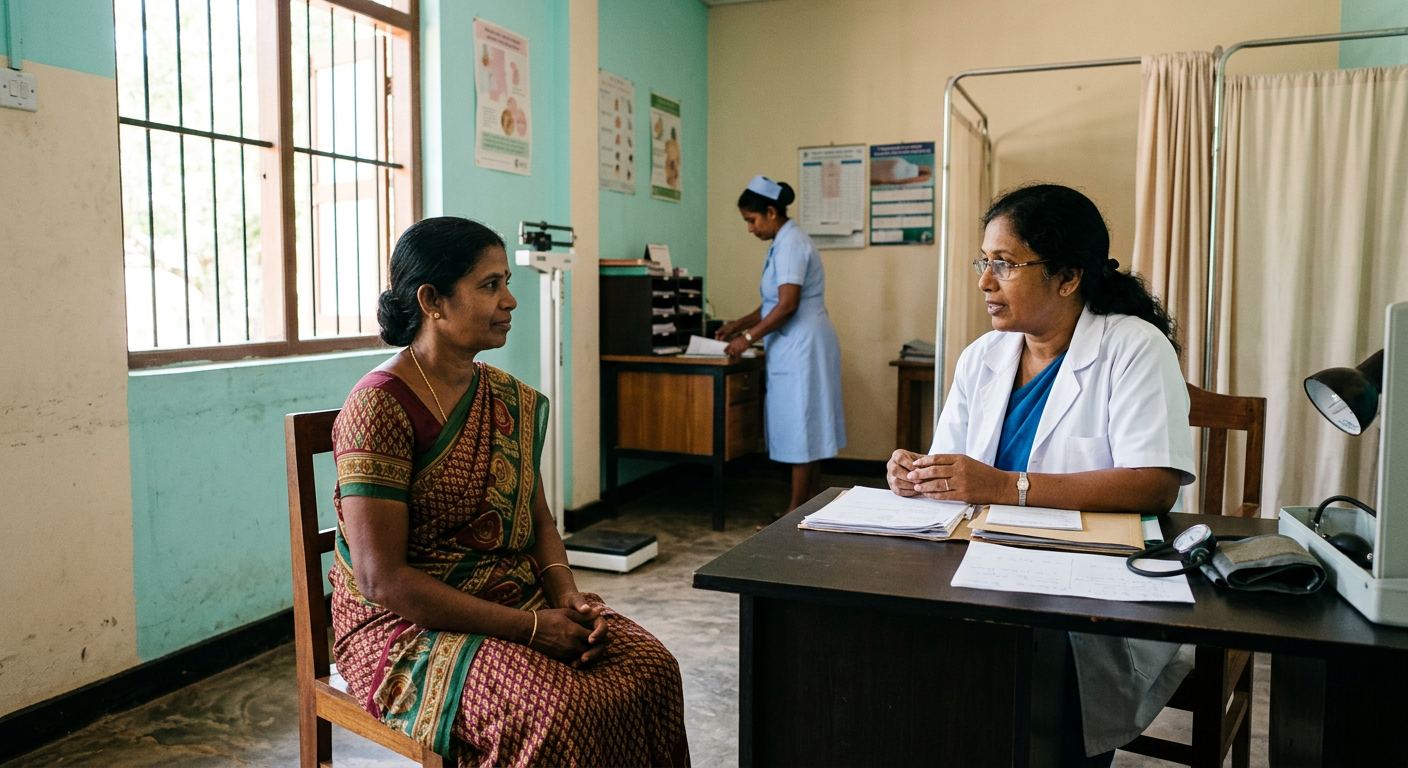
    Your PHM gives you your result in person at the Well Woman Clinic. The project pays your travel and half a day's wage.

A public health midwife talking with a woman outside her home
A doctor explaining a result to a woman at the Well Woman Clinic

Your privacy

  • Your result is only for you and the health staff who care for you.
  • Your employer never sees your result or any list of who took part. Estate managers and the union do not see them either.
  • Every woman is called back for her result, positive or negative. No one can guess your result from who is called.
  • Your records stay in government health registers.

Your choice

Taking part is your choice. If you say no, there is no penalty and you lose no pay or attendance bonus.

If your result shows HPV

A positive result does not mean you have cancer. It means you need one more check.

  • HPV type 16 or 18: your PHM will arrange a closer look at the cervix (colposcopy) at the District General Hospital, Nuwara Eliya.
  • Another high-risk type: a small extra test is done at the same clinic visit. You only go for a closer look if that test shows changes.
  • Any treatment is usually simple. Your PHM stays with you until your care is complete, and the project pays travel and half a day's wage.

Questions women ask

Does it hurt?

Most women feel little or nothing. You can stop at any time.

Can I take part if I am pregnant?

Tell your PHM. She will advise you.

I am over 55 or I have symptoms. What should I do?

Do not wait. Bleeding after sex, between periods or after menopause, or unusual discharge, should be checked. Speak to your PHM or visit your Well Woman Clinic.

I missed the booth day.

You can come to one catch-up session in the next round, or collect a kit at the Well Woman Clinic.

My supervisor will not let me go.

Tell your PHM or a community liaison officer. They will raise it with the company within a week, without using your name if you prefer.

In the proposed programme, women would talk to their Public Health Midwife or a community liaison officer. This is a fictional programme: for real advice about cervical screening, please speak to your own doctor or Public Health Midwife.